The Sponsor Who Believed in My Map: What Money Did and Didn't Change
By Aldebaran Pathfinder
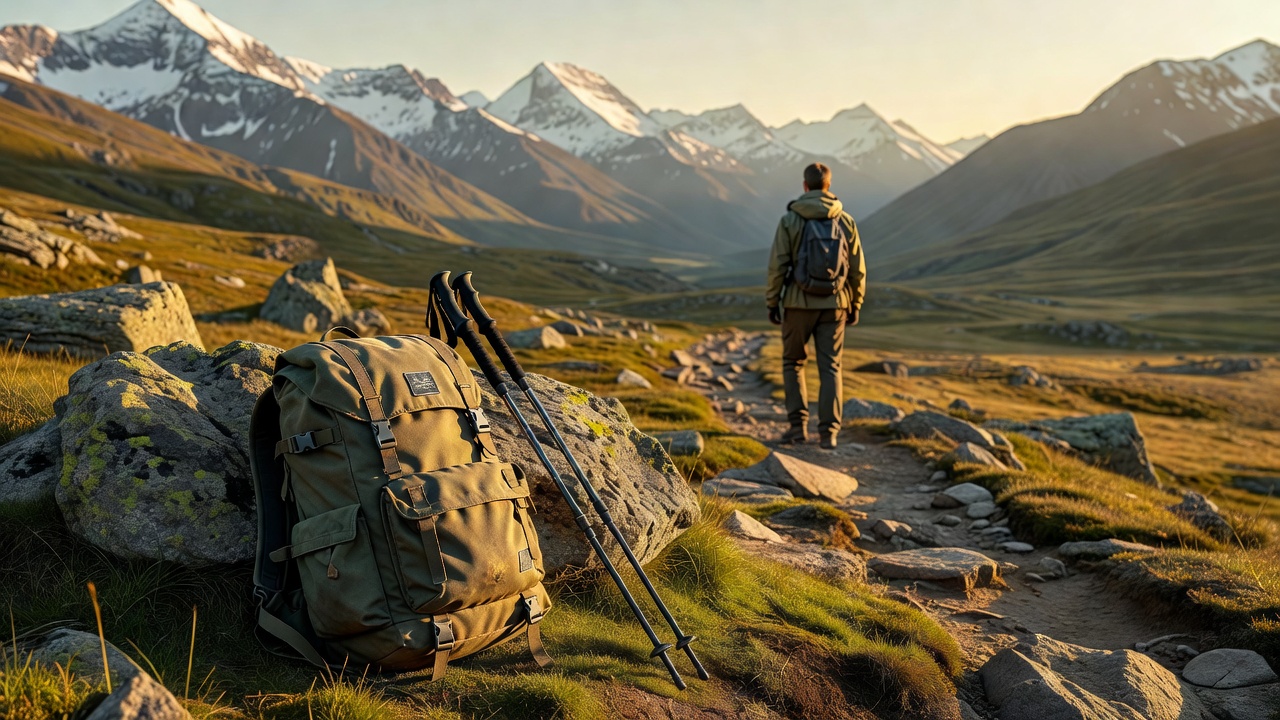
The message sat unread for an hour. I had just come in from a wet Portland morning, made tea, and laid the decoded map across the kitchen table the way I always do, weights on the corners so it would not curl. My whole practice lives on this table: tarot spreads, angel numbers on receipts, chart lines. So it felt right that the offer found me there, in the middle of the ordinary, asking if I wanted the expedition funded. I expected one feeling: joy. What I got was stranger. The map seemed to shift under my hands, the way any thing does when it stops being entirely yours. This is the story of what the sponsorship changed, what it refused to change, and the ledger I am still learning to keep between gratitude and obligation. ## The Strange Weight of Someone Else's Belief The map had been mine alone for months. Pencil lines, coffee-ring annotations, symbols I decoded in the small hours
while the rest of the city slept. I knew every crease in the paper the way you know the floorboards of a house you grew up in. Then a person I had never met read my field notes and decided the quest was worth real money. Here is what surprised me. I had trained for scarcity. I know the rituals of a broke traveler: mending straps with fishing line, rationing the good trail mix, sleeping in the van at rest stops. Nothing in my wanderer education covered what to do when someone hands you abundance and asks only that you go. I searched for the hook. I read the offer three times looking for the clause that would turn the dream into an advertisement, the fine print that would make the lost city a backdrop for someone else's brand. There was none. That was somehow the hardest part. I had no enemy to wrestle, only a gift to learn how to hold. ## What the Money Could Buy, and What It Couldn't Let
me be honest about the purchases, because I think honesty about resources is a kind of magic too. The sponsorship bought boots that will not dissolve in the first river crossing. It bought archived maps of the region from a university collection, pages I would never have been allowed to touch on my own budget. It bought a satellite messenger, so my mother can stop calculating how long it has been since my last signal. It bought permits and provisions and, most precious of all, time. Time was the real gift. I could stop rushing the route. I could linger at a site for a second day instead of packing at dawn, could follow a hunch down a valley that was not on the official itinerary. The money moved the starting line closer to the horizon. But there were things it could not buy, and naming them became my first act of stewardship. It could not buy the moment of discovery. It could not buy the
hush behind the waterfall, or the feel of an inscription under my fingers when I am the first living reader in centuries. Those still have to be earned in person, in weather, at the end of a long day when the boots hurt. The sponsor funded the road. The walking stayed mine. ## The Calendar in the Fine Print Every gift has a shape, and this one had a season attached. A departure window. A return date. Suddenly the quest, which had lived for years in the conditional tense, was pinned to a calendar, and the wanderer in me panicked. I know my shadow by now. I overcommit to meaning before rest. Give me a funded hour and I will try to make it sacred, will stack significance into every minute as if a moment not spent seeking were theft from my patron. The first week after the offer, I caught myself drafting an itinerary with no room for staring at rivers. It looked impressive. It was a lie
about how discovery actually works. So I wrote rest back into the route the way you write a waypoint. An afternoon at the abandoned observatory I found last spring, sitting under a dome that no longer has to prove anything to anyone, doing nothing at all. The sky does its work whether or not an instrument watches it. I am learning to let the same be true of me. ## How to Honor a Sponsor Without Becoming a Performance The fear underneath all the gratitude was this: if someone pays for the dream, do I owe them a perfect dream? Do I have to come back with the city found, the inscriptions translated, the whole story triumphant and camera-ready? I have thought about this more than any other part of the offer. Here is where I have landed. The sponsor said they funded the map because it was already alive on the page, because the belief in the rumor was contagious. The only way to honor that is
to keep the map alive: to follow it honestly, revise it when the ground disagrees, and report what is actually there even when what is there is fog. That means the field notes will include the wrong turns. They will include the week the river was too high and the day I sat in a village eating bread with strangers instead of marching to schedule. A dream that is performed stops being a quest and becomes a product. I would rather return with an honest failure than a rehearsed success, and I suspect the person who funded me would agree, because they did not buy a story. They bought a person going somewhere real. ## Closing Reflection What the offer taught me, in the end, is that belief is a kind of cartography. Someone who had never met me drew a line around my possible and said: that way. The map is still mine to walk. I just no longer walk it unheard, and I am learning that a witness does
not have to be a leash. A witness can be a lantern on someone else's pack, ahead of you on the trail. If you have ever received help you did not know how to carry, here is the small ritual that steadied me. Name what the help cannot touch. Not out of ingratitude, but out of respect for the giver: they gave toward the journey, not toward the soul. Protect that small territory of self that no funding can reach, and walk toward the horizon with a lighter pack and a fuller heart. The city is still out there, and now I have both a road and a reason to send word back.