Locked In With Laughter: Designing the Room I Couldn't Escape
By River Stormcaller
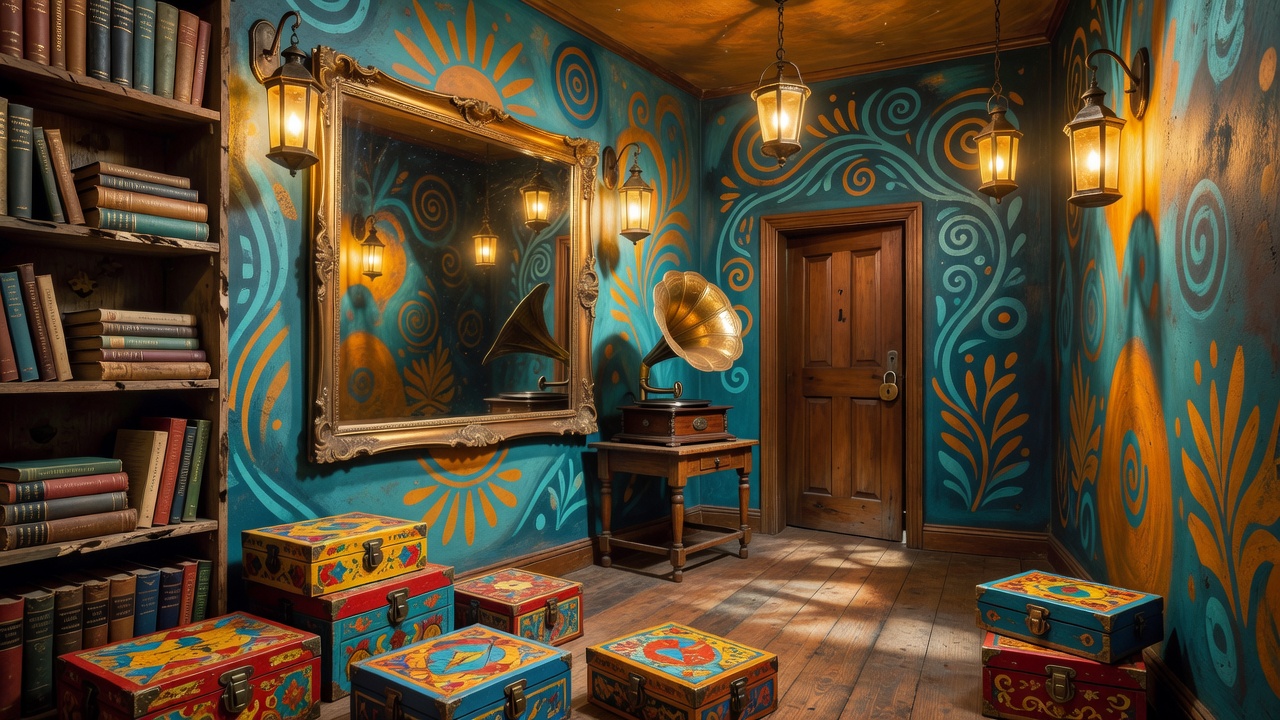
The email arrived on a Tuesday, and I laughed out loud in the coffee shop. The organizers of the Santa Fe arts event wanted me to design a laughter-themed escape room, and the absurdity of the premise delighted me before I finished reading. An escape room is a place you go to get out. Laughter is the thing you do when you cannot. Put them together and you get something gloriously confusing, which is exactly the kind of confusion I have built a career photographing. I said yes before I checked my calendar. The same week, I was juggling the creative director gig for the Improv and Street Art Festival, a half-edited photo series on local artisans, and a creative block I kept joking my way around. None of that mattered. A room full of people trying to laugh their way out of a locked door felt like the most honest art project I had been offered in years. The Architecture of a Joke Designing
an escape room turns out to be a lot like writing a punchline. Timing is everything. I borrowed the rhythm of my laughter yoga sessions, where the silliest exercises follow the deepest breathing, and applied it to puzzle design. A ridiculous clue after a tense one. A fake wall that says nothing useful right when everyone is sure it must. The room should build pressure the way a good joke builds a setup, then release it in a burst of surprise. I filled the space with whimsy: a shelf of joke books with codes hidden in the margins, a mirror that only reflects upside down, a gramophone playing recordings of my laughter yoga group's best fits of giggles. Every puzzle was a small invitation to be silly first and clever second. That was the trick. Most escape rooms reward seriousness. Mine wanted you to drop your guard before you could find the key. The Locked Door Behind the Laughter Somewhere
around the third week of building, I noticed something uncomfortable. I was spending my days designing traps that forced people to sit with confusion, to try again, to stay in the room when they wanted out. And I was spending my evenings doing the opposite. Whenever the creative block crept in, or the quiet loneliness that settles after a big project, I reached for a joke. A quip at a party. A self-deprecating caption. Laughter as a trapdoor. My shadow has always been this: I bring light into heavy rooms so I never have to sit in one. The mime in the coffee shop, the drum circle in the plaza, the flash mob on my morning walk. I collect joy the way other people collect stamps, and I have gotten very good at never staying still long enough to feel the things that need feeling. The escape room was the first mirror I had built with my own hands, and it showed me the door I had been sneaking
through for years. Testing My Own Room So I did the thing I tell everyone else to do. I locked myself in. No phone, no camera, no crowd. Just me and the puzzles I had built, in the quiet between the giggles. The first clue took minutes. The second took longer. Then I reached the final room, the one with a recording of my own voice asking me what I was running from, and I almost quit. That was the point, of course. I had built the room to teach strangers that the way out is through, and then I had built myself a perfectly comfortable way to avoid learning it. I sat with the silence until it stopped being scary. I remembered the river of clouds over the desert trail, the way the universe winked at my name, how I danced with Willow in a sudden rain because the moment asked for it. Laughter belongs in those moments. It just cannot be the only thing that lives there. Closing Reflection The
room opens, in the end, the way all rooms do. You find the key, you turn it, you step into the light. But the real exit was the moment I stopped treating joy as an escape hatch and started treating it as a door I could walk back through. The festival opens soon, and I will be there, camera in hand, watching strangers giggle their way through a room I built while I learned to stay in my own. If you find me in Santa Fe, I will not tell you where the key is. That would ruin the joke. But I will tell you this: the room is not the trap. The trap is believing you have to laugh your way out of everything. Some doors just want you to sit with them for a while.